Why GPS Needs Einstein’s Relativity to Find You
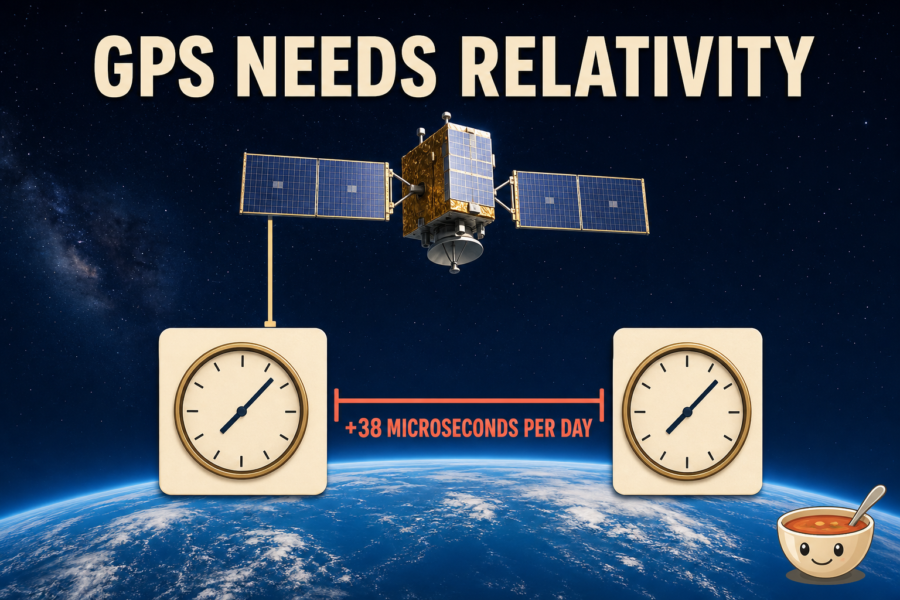
GPS satellite clocks are pushed in opposite directions by speed and gravity. Their net 38-microsecond daily difference has to be accounted for to keep positioning accurate.
Explore a topic
The inventions, systems, and ideas behind the tools we use.
GPS satellite clocks are pushed in opposite directions by speed and gravity. Their net 38-microsecond daily difference has to be accounted for to keep positioning accurate.
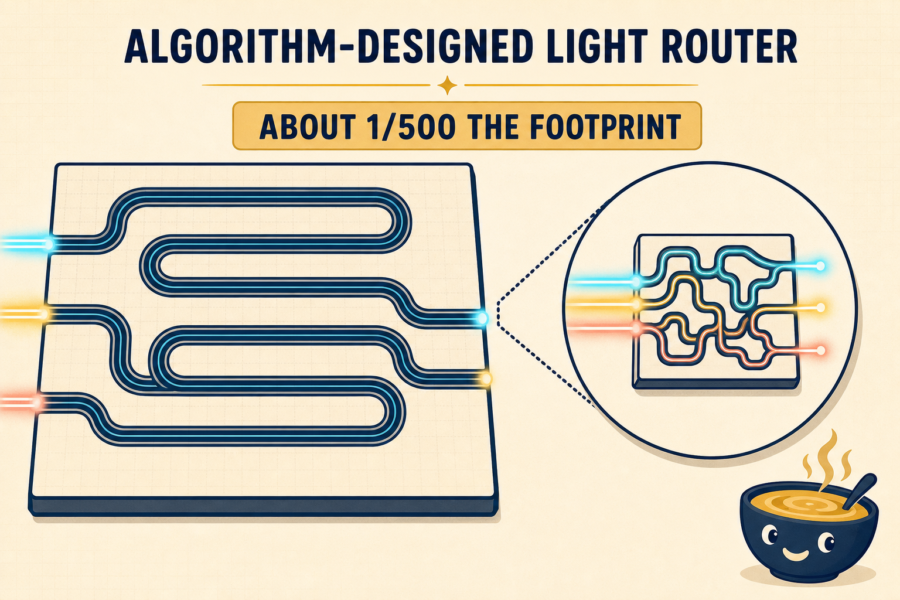
Inverse design starts with the desired behavior of light and searches backward for a structure that can produce it. In one study, a mode sorter used about one five-hundredth the footprint of representative conventional designs.
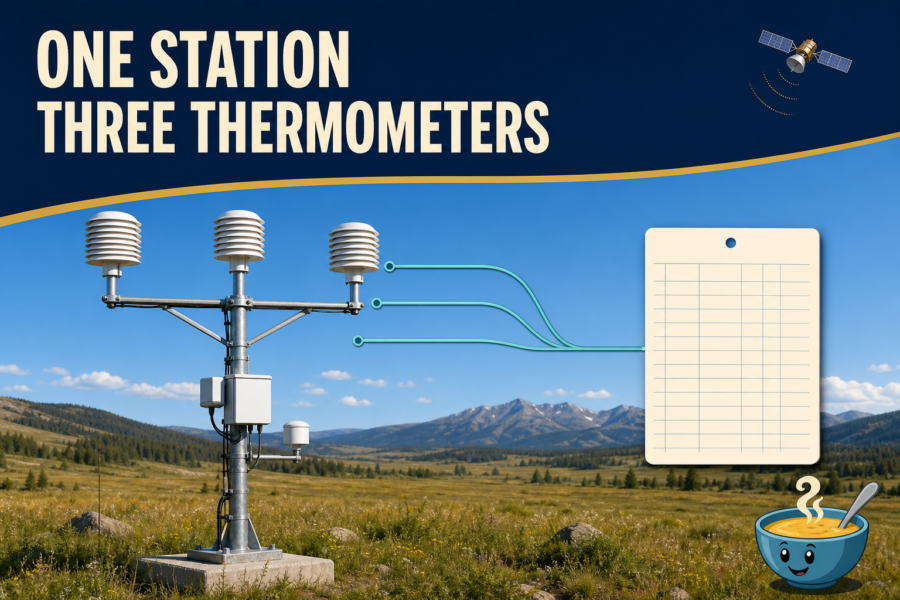
Each U.S. Climate Reference Network station keeps three independent temperature streams, then uses their agreement to derive one official hourly value.
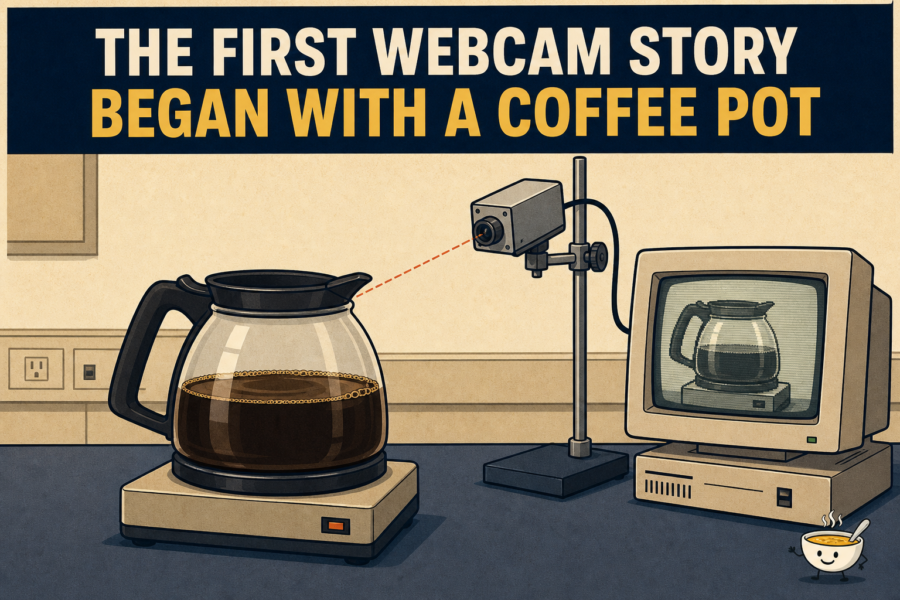
Cambridge researchers first watched a shared coffee pot over a local network in 1991. Connecting that changing image to the Web in 1993 created the first webcam.
NASA’s National Transonic Facility uses supercold, high-pressure nitrogen to make small aircraft models reproduce the aerodynamics of full-scale flight.
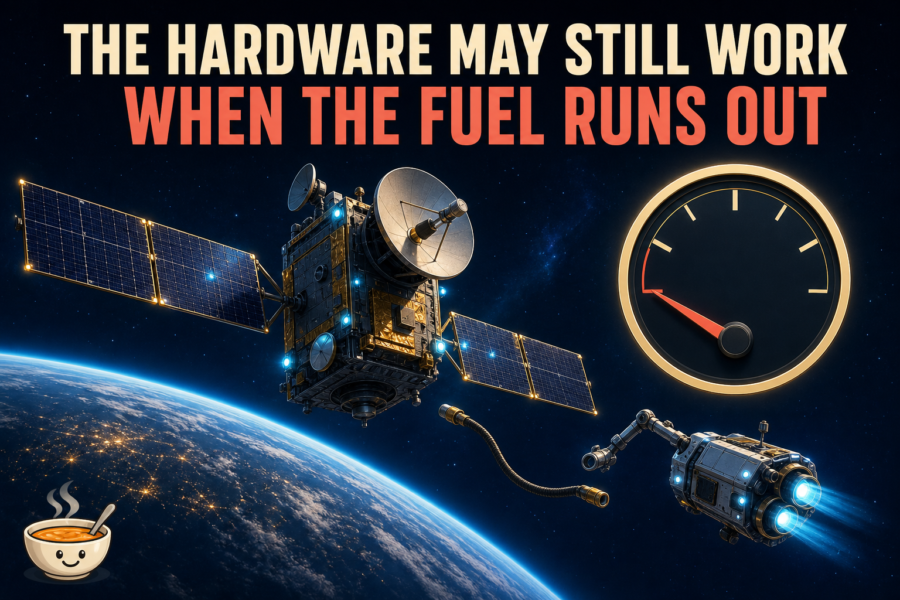
A satellite can reach the end of useful service even while onboard hardware remains operational. Fuel depletion can prevent orbit maintenance, while in-space servicing aims to refuel, repair, or upgrade spacecraft.
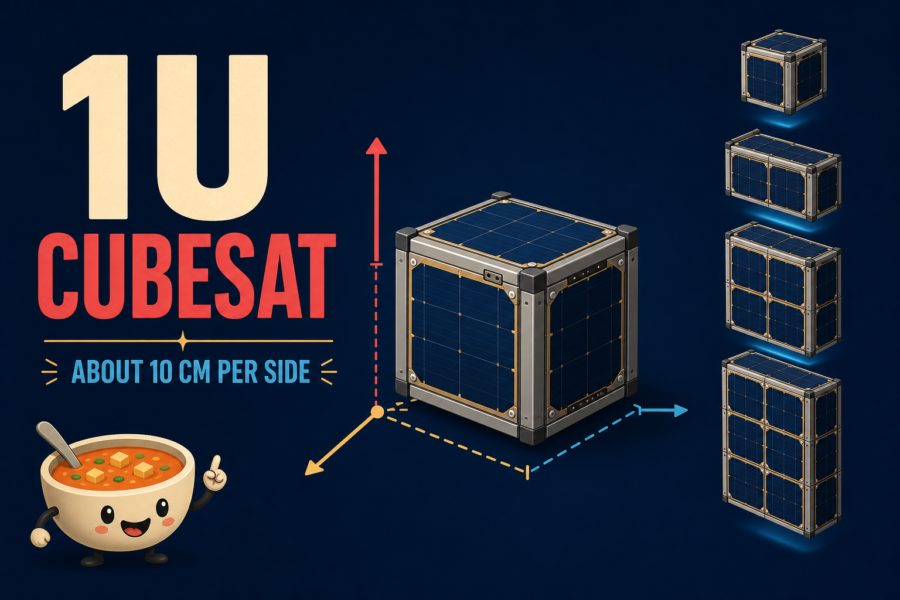
A standard 1U CubeSat occupies a volume of about 10 centimeters on each side. That compact unit can be combined into larger modular spacecraft for science, education and technology tests.
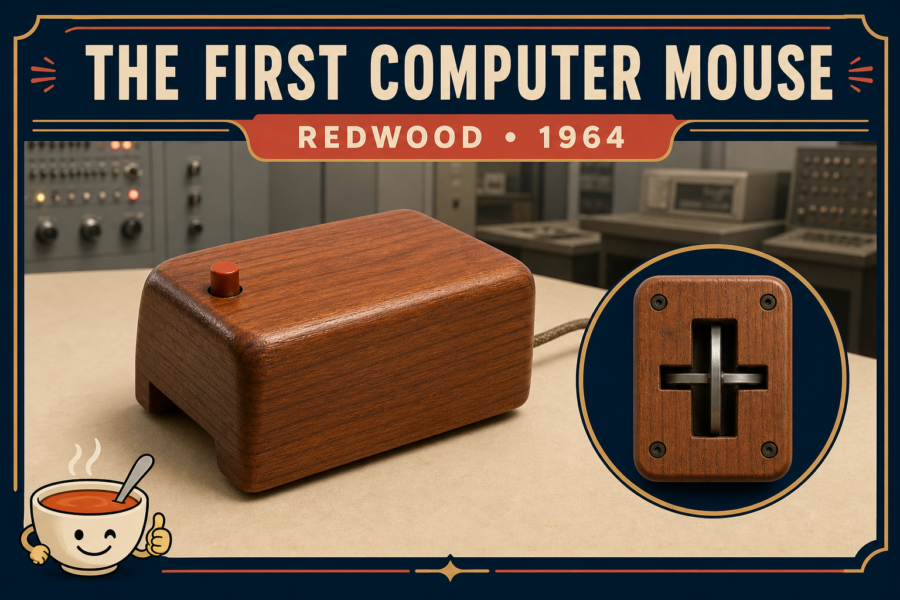
The first computer mouse was a handmade redwood box built in 1964. Its one button and perpendicular wheels helped turn pointing into a basic computer action.
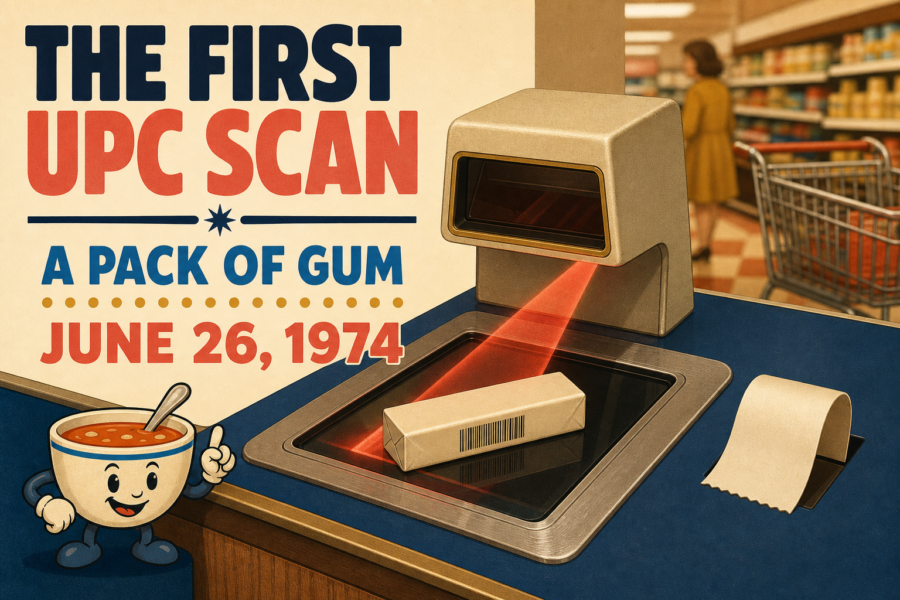
A routine supermarket purchase on June 26, 1974, became a milestone in retail technology. The first product scanned with a UPC barcode was a pack of chewing gum.