How Hummingbirds Stay Still in Midair
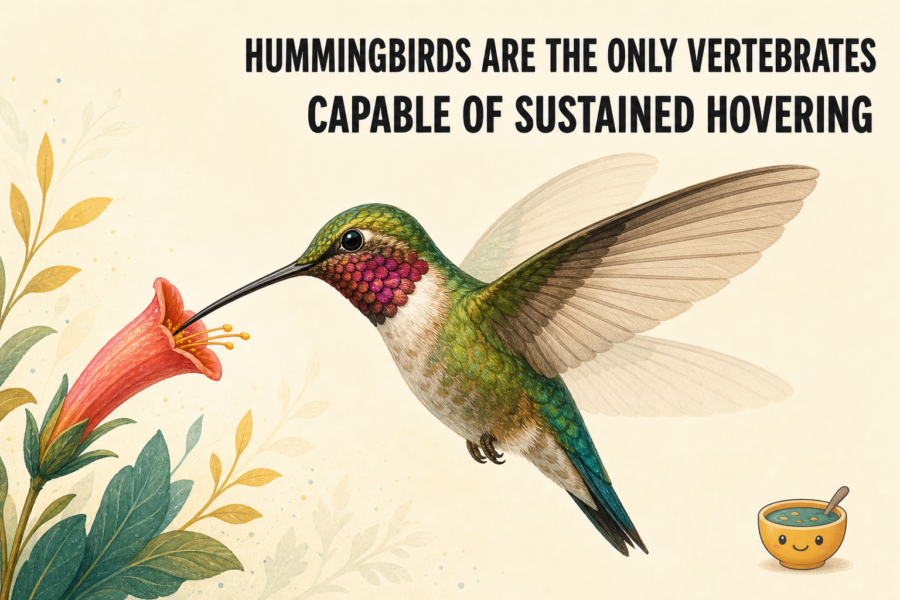
Hummingbirds are the only vertebrates capable of sustained hovering. Powered wing strokes on both the downbeat and upbeat help explain their unusual control in the air.
Explore a topic
Remarkable animals, ecosystems, weather, and the living world.
Hummingbirds are the only vertebrates capable of sustained hovering. Powered wing strokes on both the downbeat and upbeat help explain their unusual control in the air.
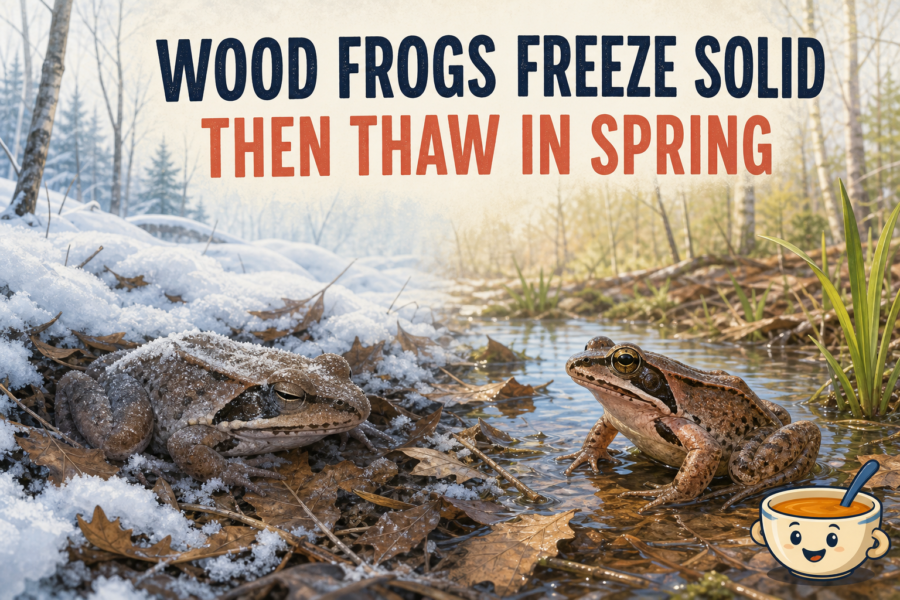
A frozen wood frog may show no heartbeat, breathing, or muscle movement. Its survival depends on controlling where ice forms and protecting cells with glucose.
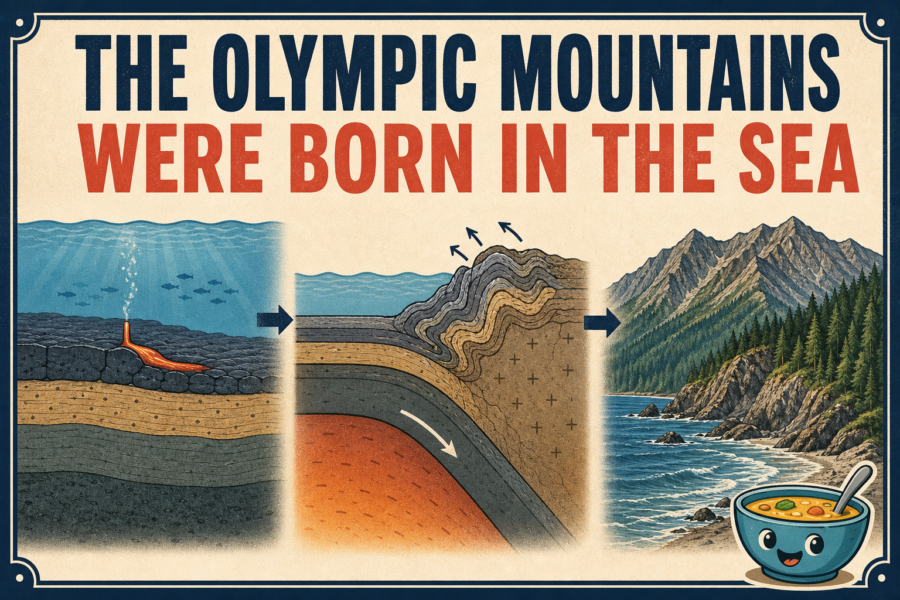
The Olympic Mountains are built largely from basalt and sedimentary rocks formed offshore. Subduction folded and lifted that ancient seafloor into rugged peaks.
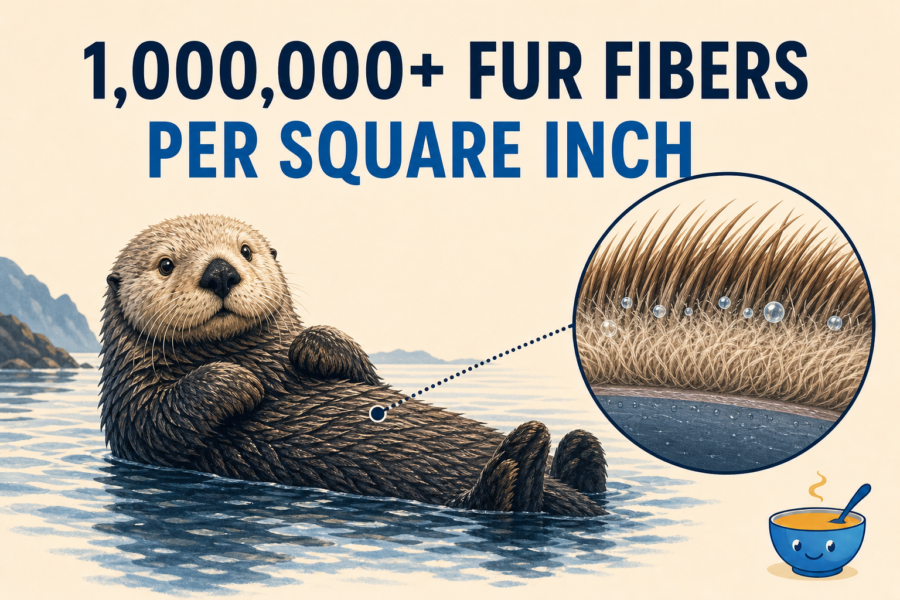
Sea otters can have more than one million fur fibers per square inch. Their two-layer coat works only because grooming, dry underfur, and trapped air function together.
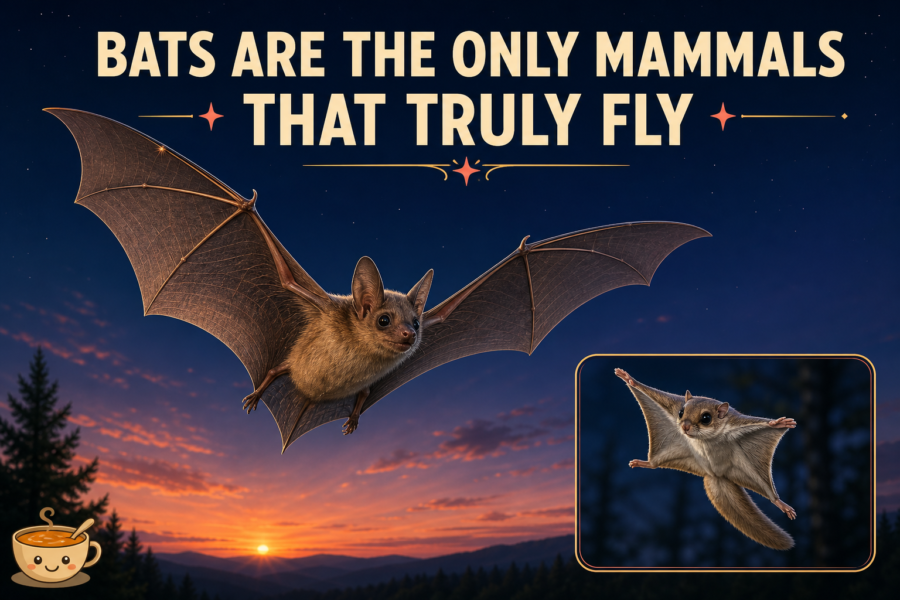
Flying squirrels glide, but bats power continued flight with flexible wings built around elongated finger bones.
Wombats are the only known animals that produce cube-shaped feces. The unusual shape forms inside the intestine through a combination of drying, uneven stiffness and muscular contraction.
Giant sequoias are adapted to recurring fire. Thick bark protects mature trees, while fire helps release seeds and creates bare, sunny ground where seedlings can grow.
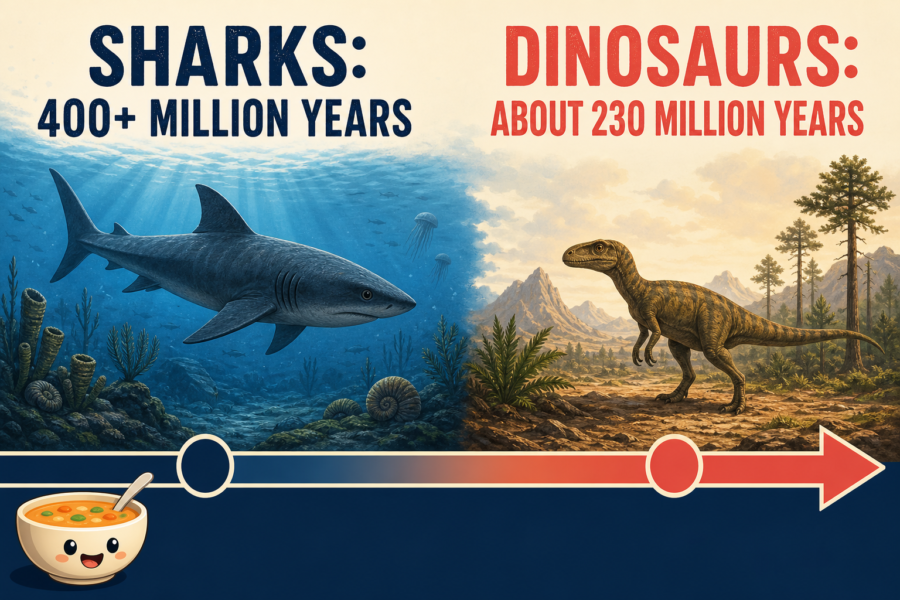
Sharks first evolved more than 400 million years ago, long before the earliest true dinosaurs. Their fossil record reveals an extraordinary history written mostly in teeth and scales.
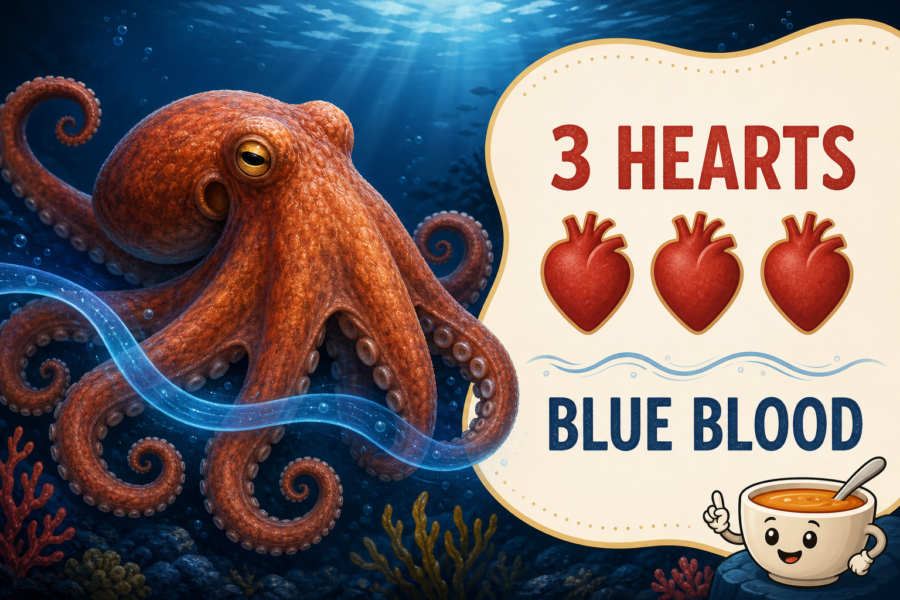
An octopus runs its unusual circulation system with three hearts and copper-based blue blood. Here is how those pumps divide the work.