Why Do We See the Sun 8 Minutes in the Past?
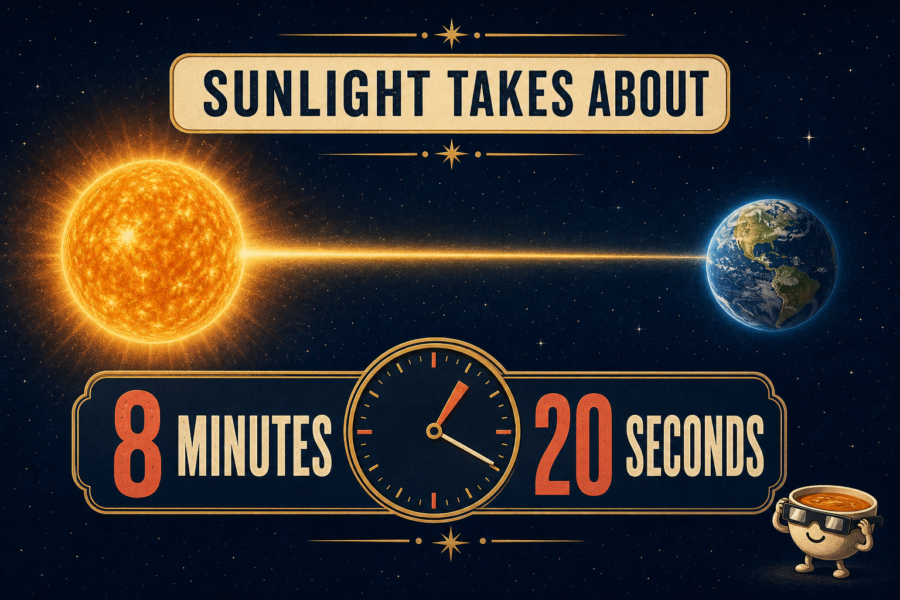
Sunlight takes about 8 minutes and 20 seconds to cross the roughly 93 million miles between the Sun and Earth.
Explore a topic
Evidence-led explainers about space, physics, biology, medicine, and the planet.
Sunlight takes about 8 minutes and 20 seconds to cross the roughly 93 million miles between the Sun and Earth.
Microglia are resident immune cells that patrol brain tissue, clear debris, and help maintain the connections that let neurons communicate.
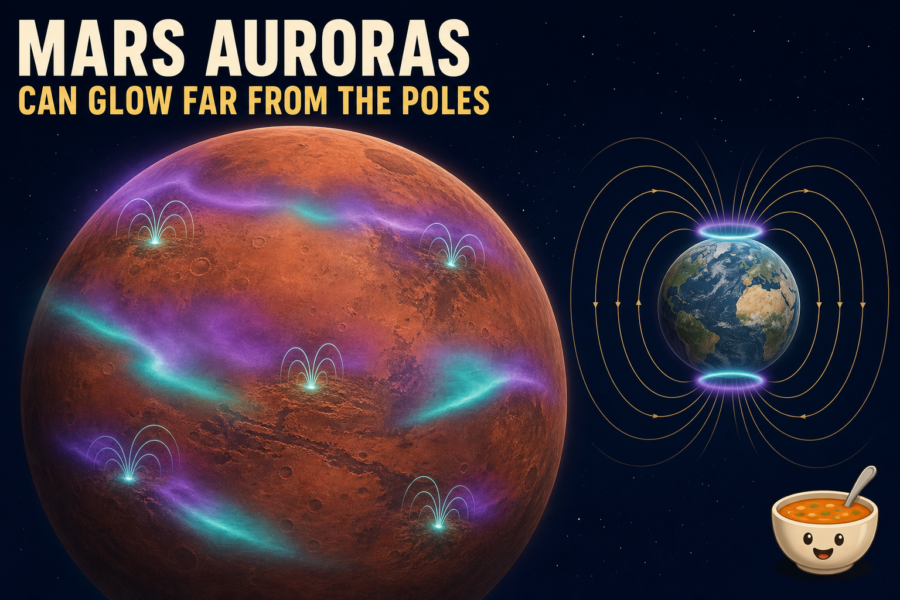
Earth’s magnetic field funnels many auroras toward the poles. Mars has a very different magnetic landscape, so its auroras can spread across broad regions or gather near patches of magnetized crust.
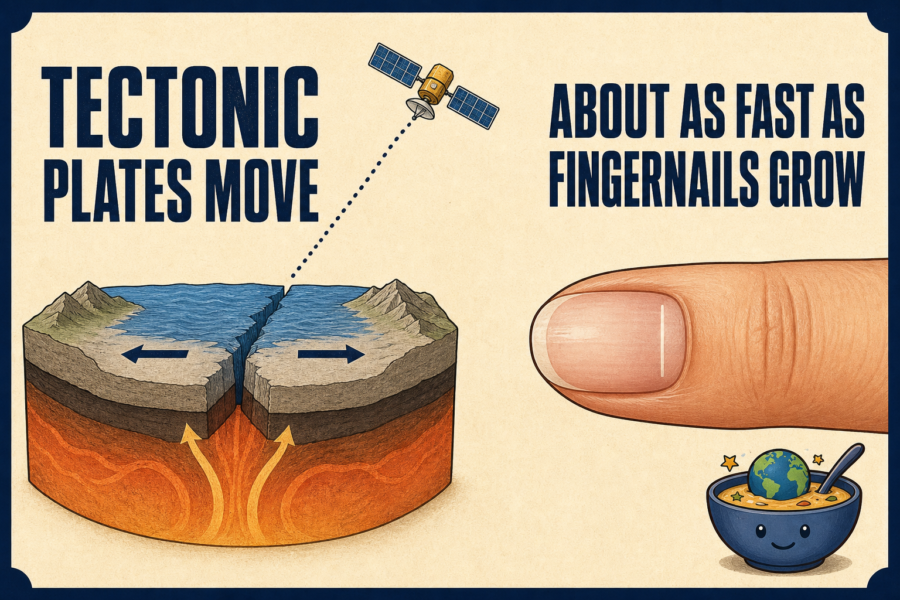
Tectonic plates move roughly as fast as fingernails grow. Satellite GPS and magnetic records in ocean-floor rocks turn that nearly invisible motion into evidence.
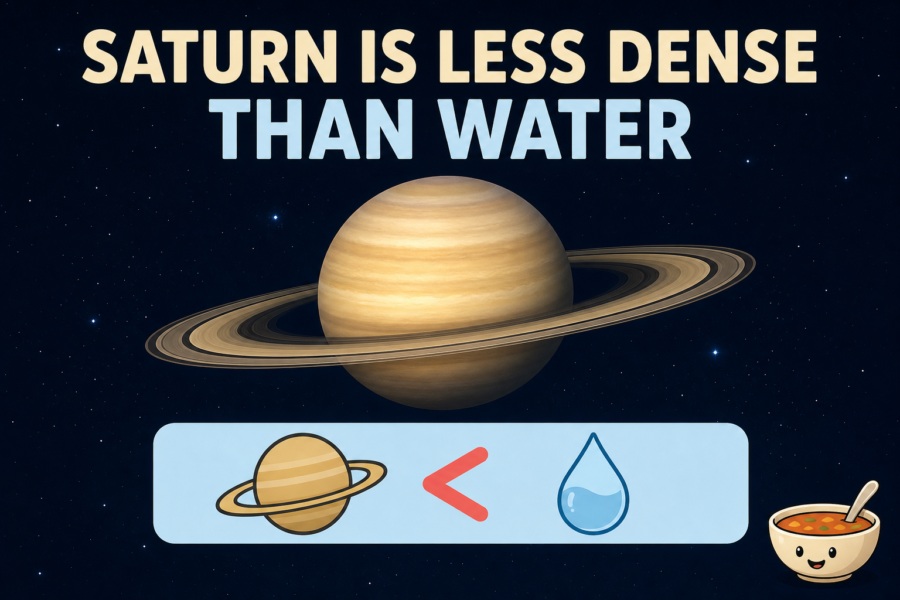
Saturn is enormous, yet its average density is lower than water. The comparison reveals how the gas giant is built—and why the familiar floating-planet image is only a thought experiment.
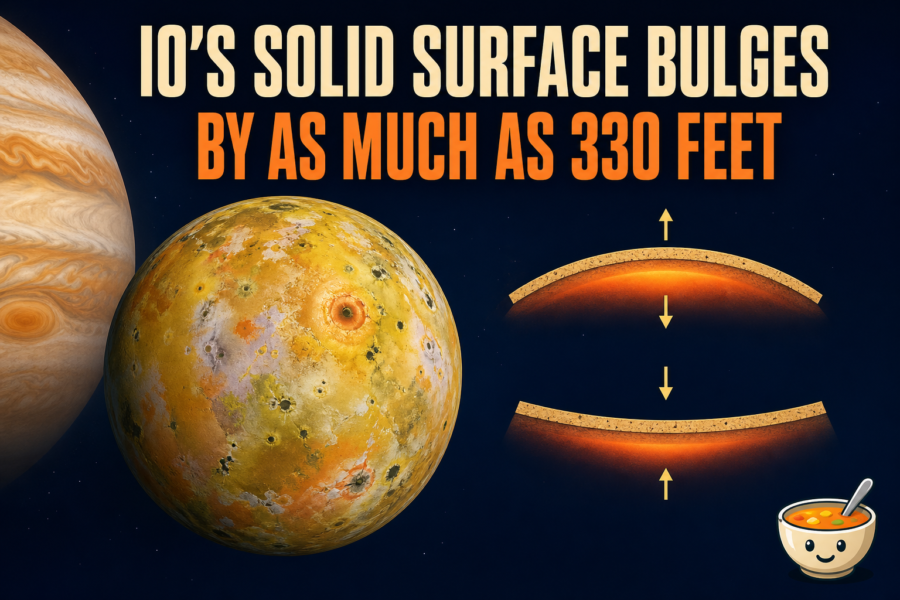
Jupiter’s moon Io is the most volcanically active world in the solar system. Its extraordinary volcanoes are powered by tidal heating as gravity repeatedly flexes the moon’s solid surface.
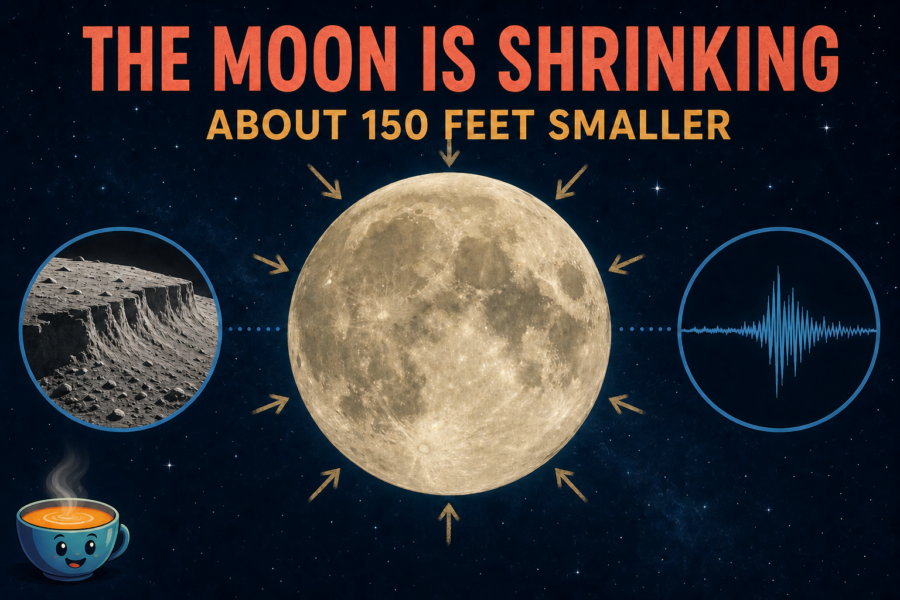
The Moon is cooling, contracting and forming thrust faults. The process has reduced its diameter by about 150 feet over several hundred million years and can produce moonquakes.
A one-cubic-kilometer cumulus cloud can contain about 1.1 million pounds of liquid water. The surprising total comes from countless tiny droplets spread through an enormous volume of air.
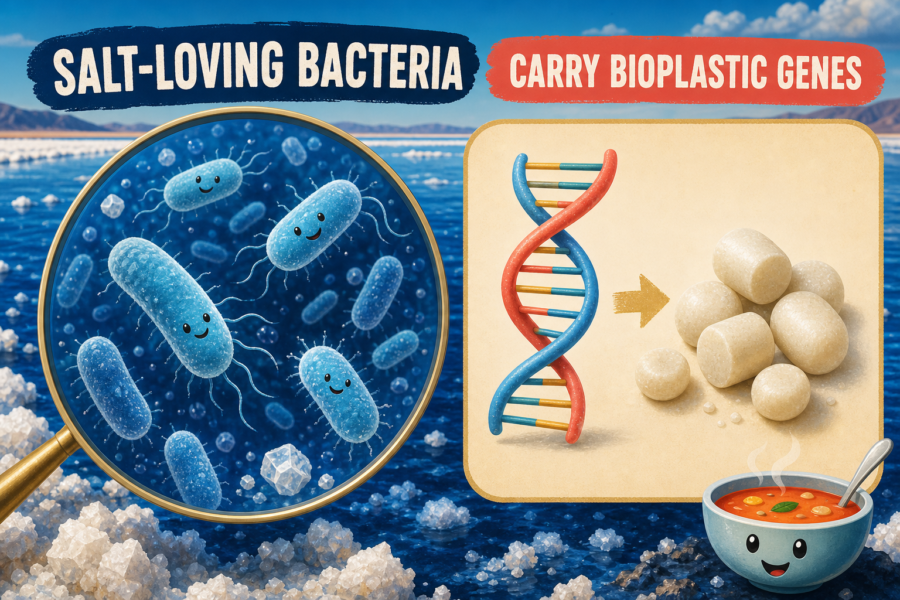
Salt-loving Salinivibrio bacteria carry a conserved genetic toolkit for producing PHA biopolymers. Genomes reveal biological potential, not an industrial process ready to scale.
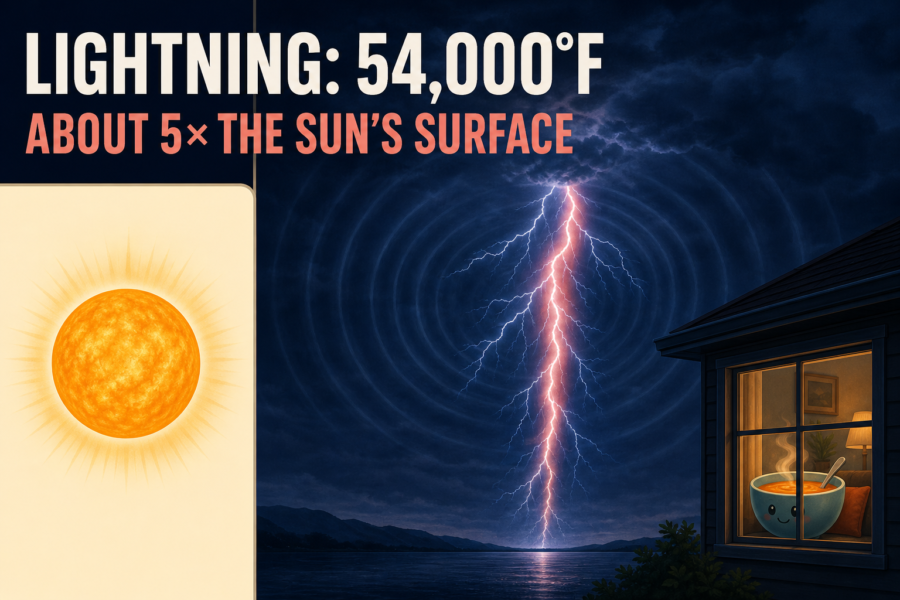
A lightning channel can heat nearby air to about 54,000°F in a fraction of a second. That explosive heating creates the shock wave we hear as thunder.