Why Can Mars Have Auroras Far From Its Poles?
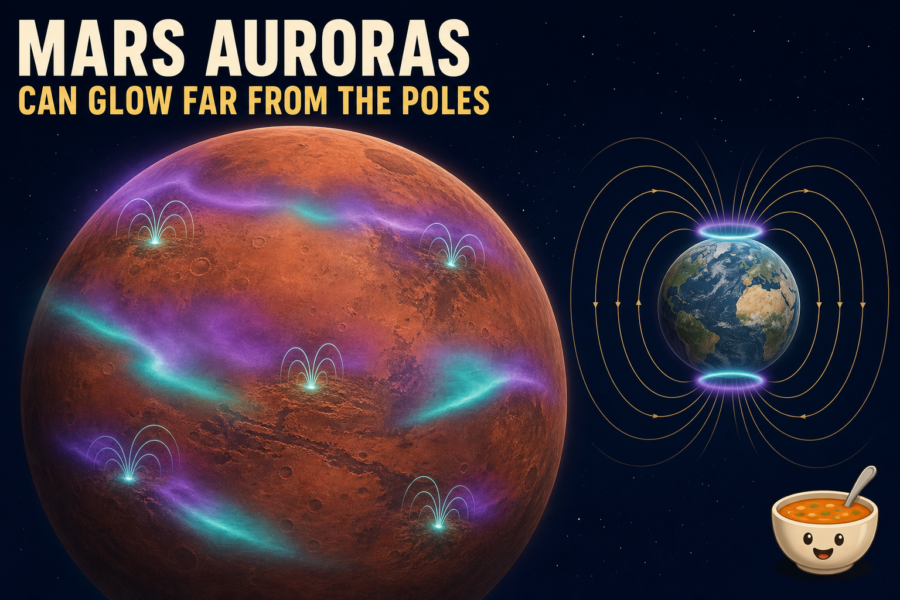
Earth’s magnetic field funnels many auroras toward the poles. Mars has a very different magnetic landscape, so its auroras can spread across broad regions or gather near patches of magnetized crust.
Knowledge Soup archive
Browse every carefully sourced fact explainer in the collection.
Earth’s magnetic field funnels many auroras toward the poles. Mars has a very different magnetic landscape, so its auroras can spread across broad regions or gather near patches of magnetized crust.
Cambridge researchers first watched a shared coffee pot over a local network in 1991. Connecting that changing image to the Web in 1993 created the first webcam.
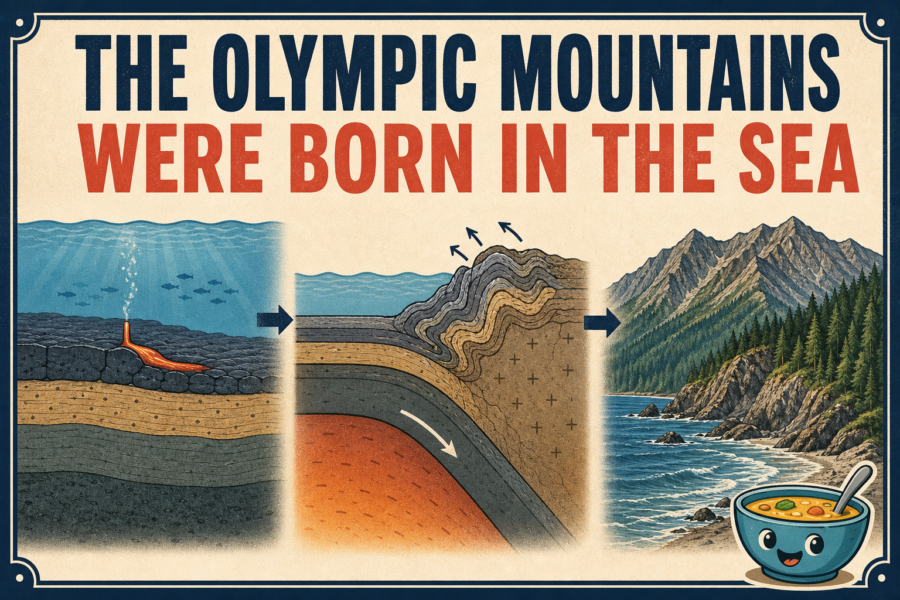
The Olympic Mountains are built largely from basalt and sedimentary rocks formed offshore. Subduction folded and lifted that ancient seafloor into rugged peaks.
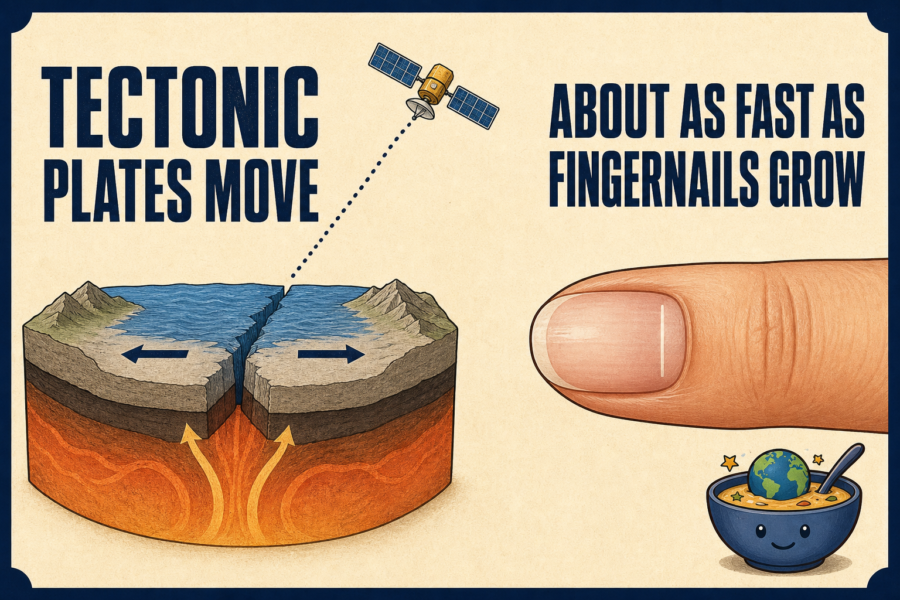
Tectonic plates move roughly as fast as fingernails grow. Satellite GPS and magnetic records in ocean-floor rocks turn that nearly invisible motion into evidence.
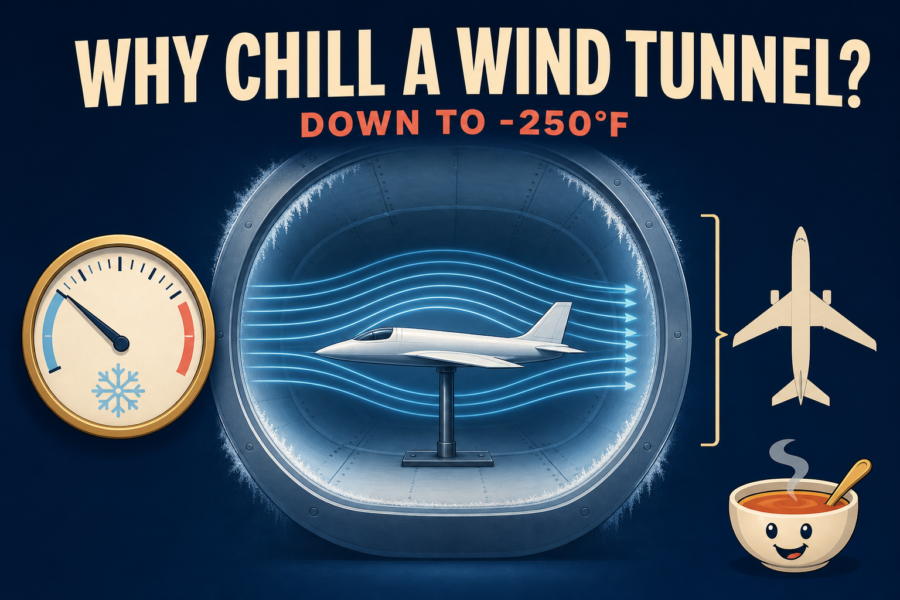
NASA’s National Transonic Facility uses supercold, high-pressure nitrogen to make small aircraft models reproduce the aerodynamics of full-scale flight.
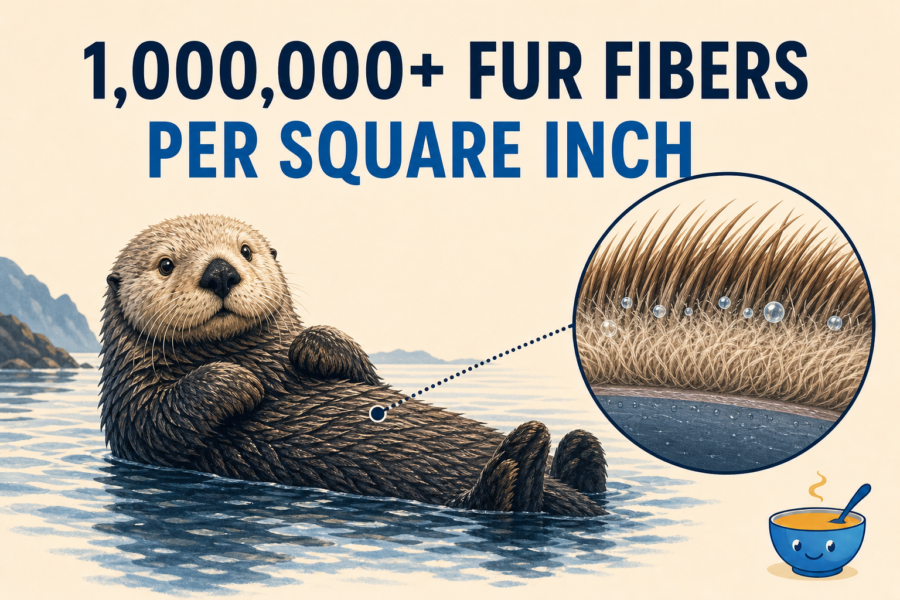
Sea otters can have more than one million fur fibers per square inch. Their two-layer coat works only because grooming, dry underfur, and trapped air function together.
Uneven solar heating can make the Eiffel Tower lean slightly, sending its top through a curve about 15 centimeters in diameter.
A satellite can reach the end of useful service even while onboard hardware remains operational. Fuel depletion can prevent orbit maintenance, while in-space servicing aims to refuel, repair, or upgrade spacecraft.
Flying squirrels glide, but bats power continued flight with flexible wings built around elongated finger bones.
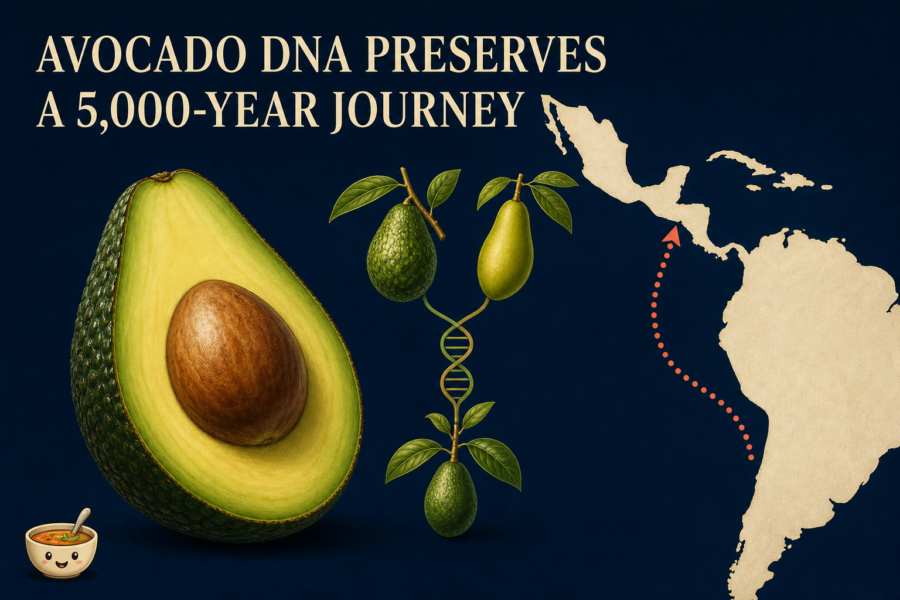
Avocado DNA suggests that people carried South American avocado ancestry into Nicaragua’s lowlands about 5,000 years ago. Its later mixing with local landraces left a living record of movement and cultivation.