Why Saturn Is Less Dense Than Water
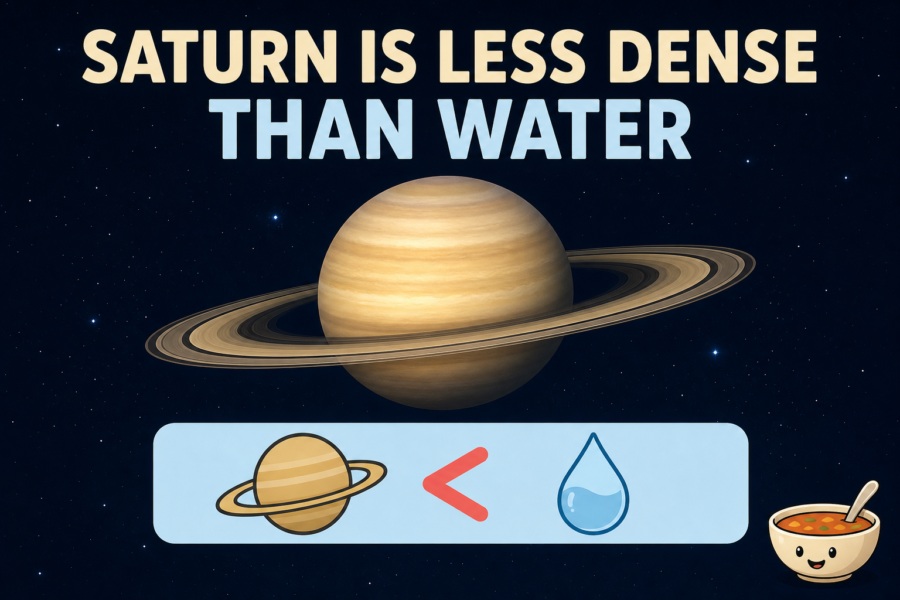
Saturn is enormous, yet its average density is lower than water. The comparison reveals how the gas giant is built—and why the familiar floating-planet image is only a thought experiment.
Knowledge Soup archive
Browse every carefully sourced fact explainer in the collection.
Saturn is enormous, yet its average density is lower than water. The comparison reveals how the gas giant is built—and why the familiar floating-planet image is only a thought experiment.
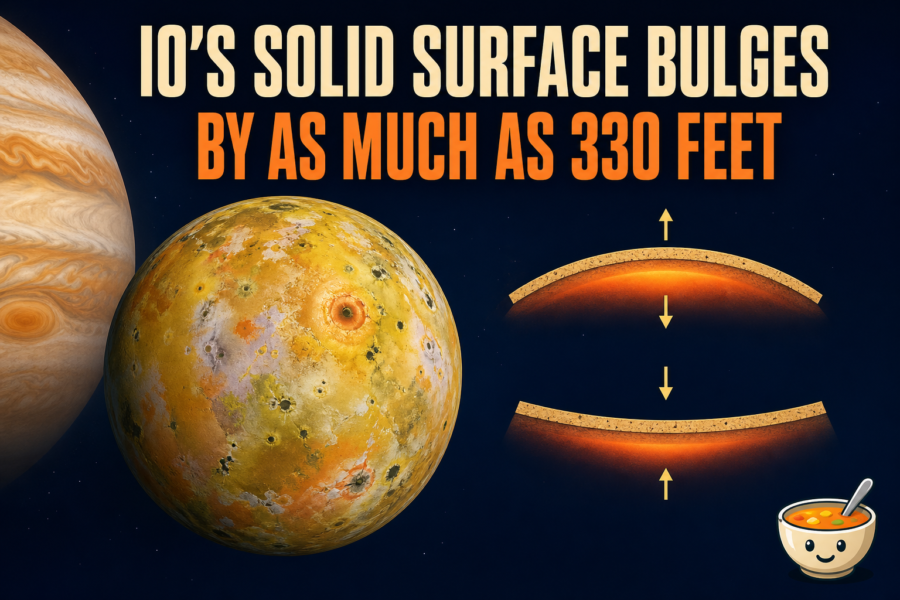
Jupiter’s moon Io is the most volcanically active world in the solar system. Its extraordinary volcanoes are powered by tidal heating as gravity repeatedly flexes the moon’s solid surface.
Nintendo’s recorded history begins in Kyoto in 1889 with Japanese hanafuda playing cards. Its first home video game machines did not arrive until 1977, 88 years later.
Wombats are the only known animals that produce cube-shaped feces. The unusual shape forms inside the intestine through a combination of drying, uneven stiffness and muscular contraction.
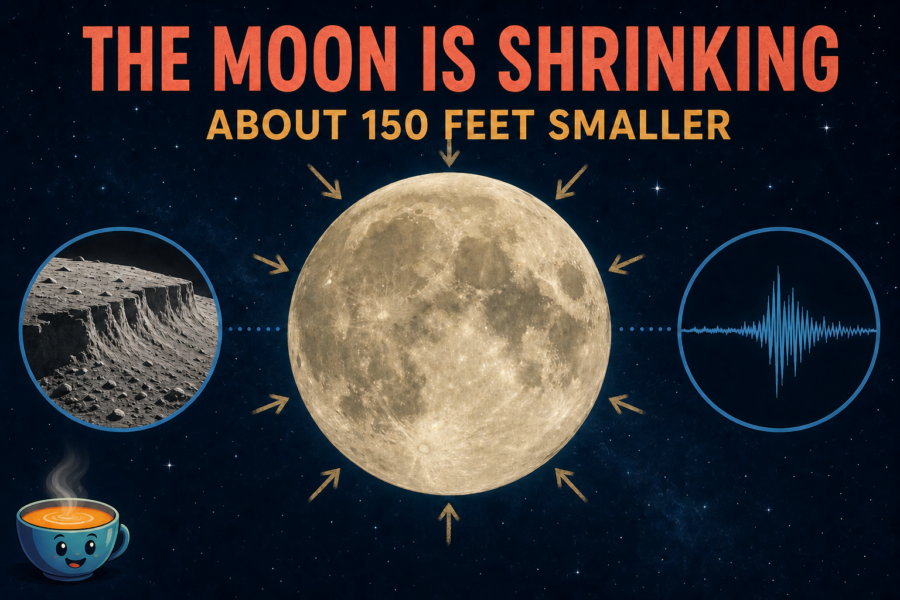
The Moon is cooling, contracting and forming thrust faults. The process has reduced its diameter by about 150 feet over several hundred million years and can produce moonquakes.
Giant sequoias are adapted to recurring fire. Thick bark protects mature trees, while fire helps release seeds and creates bare, sunny ground where seedlings can grow.
A one-cubic-kilometer cumulus cloud can contain about 1.1 million pounds of liquid water. The surprising total comes from countless tiny droplets spread through an enormous volume of air.
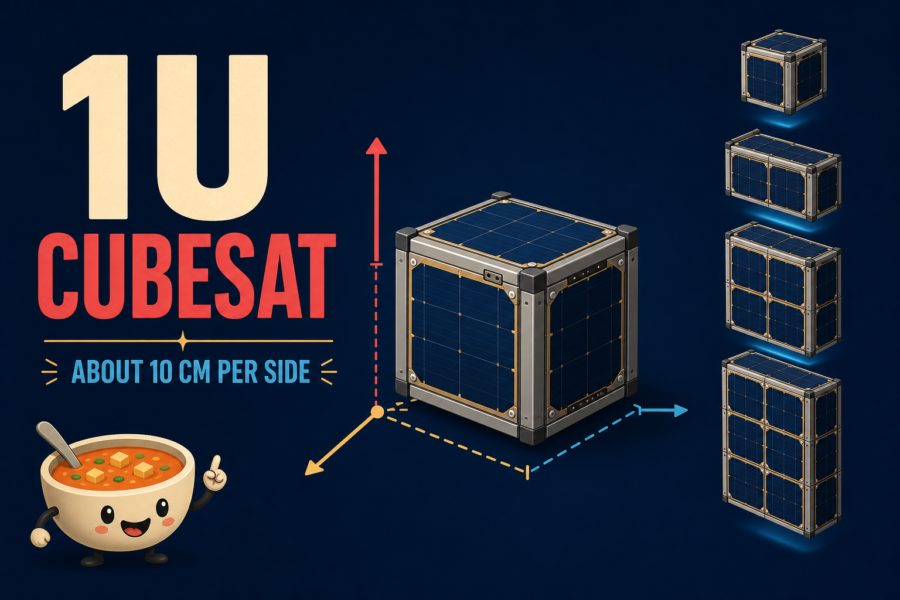
A standard 1U CubeSat occupies a volume of about 10 centimeters on each side. That compact unit can be combined into larger modular spacecraft for science, education and technology tests.
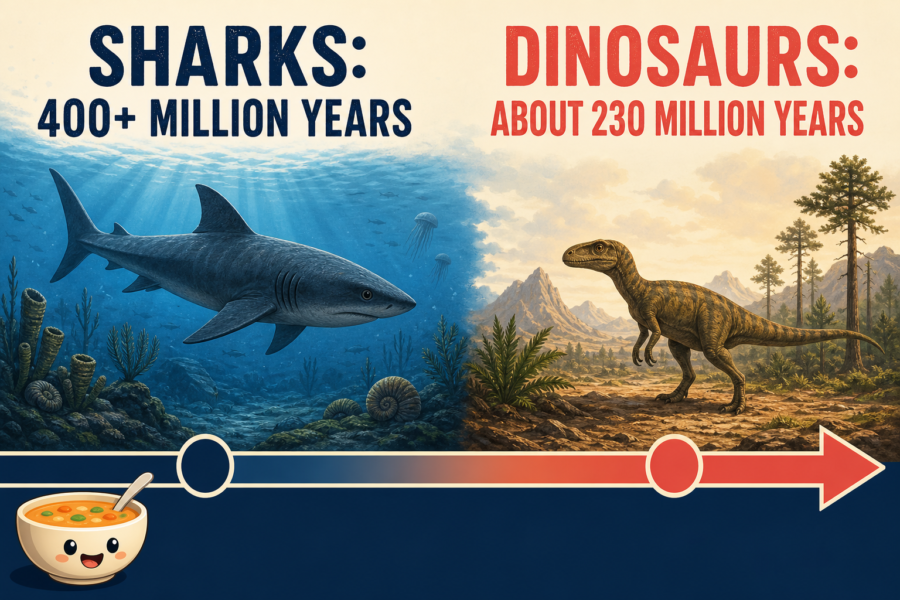
Sharks first evolved more than 400 million years ago, long before the earliest true dinosaurs. Their fossil record reveals an extraordinary history written mostly in teeth and scales.
Salt-loving Salinivibrio bacteria carry a conserved genetic toolkit for producing PHA biopolymers. Genomes reveal biological potential, not an industrial process ready to scale.